What to check before choosing a Barcelona city tour in Ciutat Vella
A first visit to Barcelona can feel dense. The old streets, the wide avenues, the sea, the hills and the landmarks all compete for attention. A city tour can make that easier, but only if it fits the way you want to spend your time. Before you commit, look past the headline and check the practical details that shape the day.
Start with the area. A tour based in Ciutat Vella puts you close to Via Laietana, the Gothic Quarter, Barcelona Cathedral and Las Ramblas. That is useful if you want to see the historic core on foot. It also means you may need extra travel time before or after the tour if your hotel is near the sea, the station or a modernist district. Check where the route begins and ends, not just where the meeting point is described. A short walk on a map can take longer in a busy old street, especially when pavements are crowded.
Next, decide what kind of day you want. Some routes focus on medieval lanes and plazas. Others lean towards architecture, food, viewpoints or famous sights such as La Sagrada Familia and Casa Batlló. A route that tries to cover everything can feel rushed, with long stretches of listening while standing still. If you care most about history, allow time for the stories behind the streets. If you care about photographs, look for stops with open space and a clear view. If you are travelling with children, shorter walking sections and regular breaks matter more than a long list of names.
Points to check before you book
- The meeting point and finishing point. Confirm the exact street location and whether it is near a metro stop. This helps you avoid arriving at the wrong side of a large square or a one way street.
- The length of the walk. Ask how long the route lasts and how much of it is on foot. Ciutat Vella has cobbles and uneven paving in places, so comfortable shoes are worth packing.
- The language of the commentary. Check that the tour is run in a language everyone in your group understands. A beautiful route loses value if the explanation is hard to follow.
- What is included. Read the inclusions carefully. Entry to a monument, transport between stops, food tastings and headsets may be separate, so confirm before assuming they are part of the day.
- Flexibility and cancellation terms. Travel plans shift. Know what happens if it rains, if a landmark closes or if you need to change the date.
Timing is another point worth considering. Barcelona light changes the mood of the city. Morning can be calmer around popular streets, while late afternoon suits open viewpoints and photographs. A route through the Gothic Quarter may feel very different at night. Think about meals too. A tour that runs over lunchtime may leave little room to sit down, while one that finishes near a food area gives you an easy next step. One local option is City Tour Barcelona & Sagrada Familia, and it can be placed among other local choices while you compare the route, timing and practical fit.
When comparing city tours barcelona, pay attention to group size. A smaller group can make it easier to ask questions and hear the guide. A larger group may move more slowly at busy crossings and viewpoints. Neither is automatically better. The right choice depends on whether you prefer a lively shared atmosphere or a quieter pace. If you are sensitive to noise, check whether headsets are used and how they work. If you wear hearing aids, ask whether the commentary can be heard clearly at the back of the group.
Match the route to your real interests
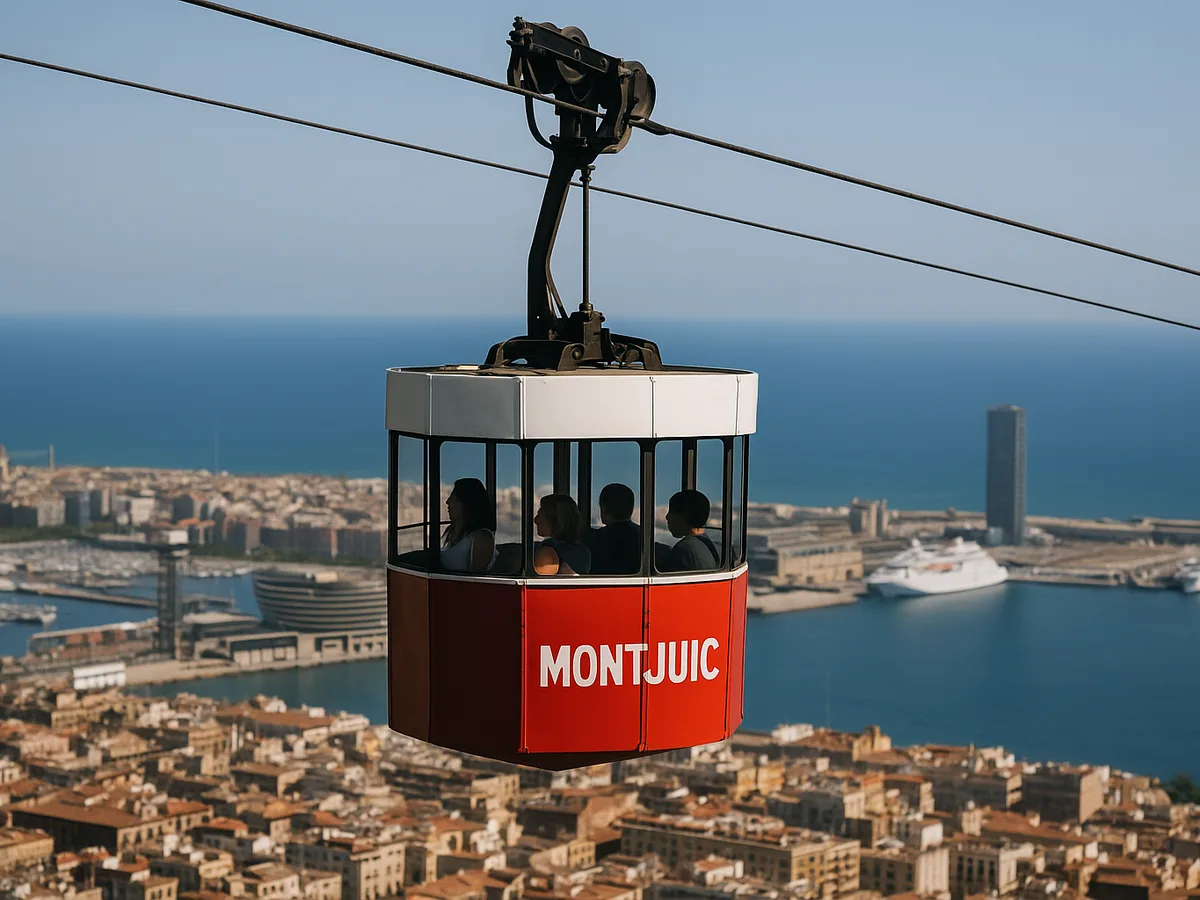
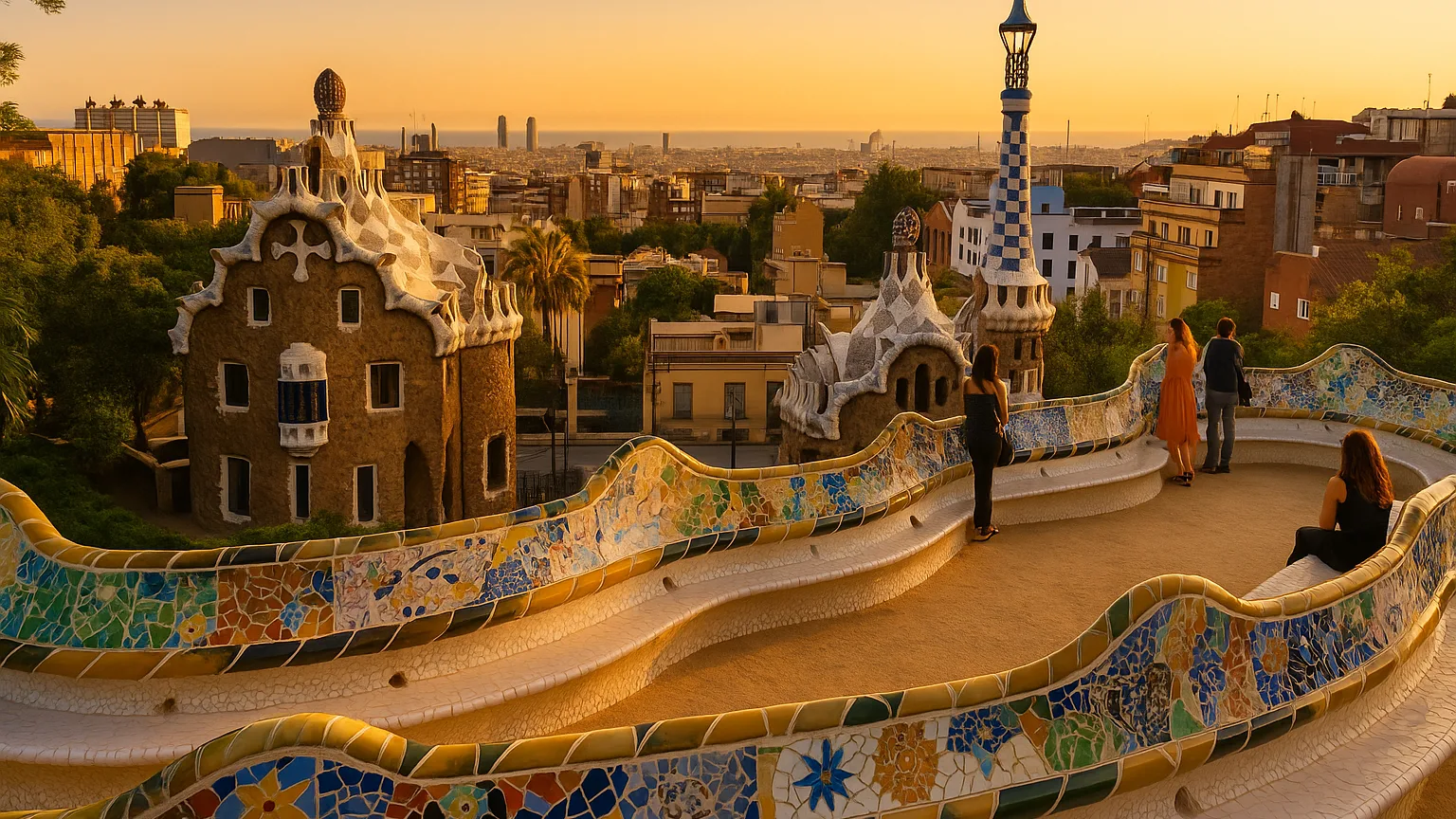
It helps to separate the sights you must see from the ones you are happy to pass. La Sagrada Familia is a major draw, but it sits away from the old centre, so a tour that includes it needs more planning. Park Güell also takes time to reach and involves slopes. Montjuïc suits anyone who wants views and open space, while Port Olímpic works better for a seafront finish. A good route should feel connected, not like a list of pins on a map.
Also think about how much background you want. Some visitors enjoy dates, names and political history. Others prefer stories about daily life, food, neighbourhoods and architecture. Both approaches can work. The key is steady pacing. A guide who leaves space for questions and short pauses often makes a dense city easier to remember. If the day is packed with facts, you may leave with a blur rather than a clear picture.
Accessibility deserves a direct check. Older parts of Barcelona can be charming but awkward with a wheeled suitcase, a pushchair or limited mobility. Steps, steep ramps, narrow pavements and crowded crossings can change the experience. Ask about the surface and gradient of the route, and whether there are places to sit. If you need transport between stops, confirm it in advance rather than hoping it can be arranged on the day. For any health or mobility need, choose the option that lets you take part comfortably, not the one with the most stops.
Weather can also shape the day. Barcelona is pleasant for walking for much of the year, but summer heat can make an exposed route tiring. Rain can make cobbles slippery. A tour with sheltered stops may work better in poor weather, while an open-air viewpoint is best in clear conditions. Check the forecast close to your date, then think about water, sun protection and a light layer. Those small choices can matter more than another landmark on the route.
Before paying, read the booking terms with care. Look for the start time, the duration, the meeting instructions and what happens if you arrive late. Check whether the tour runs with a minimum number of people and whether the date can be changed. For ticketed sites, confirm who handles entry and what you need to bring. If anything is unclear, ask before you book. A clear answer at the start prevents confusion on the street.
Local context can make the experience richer. In Ciutat Vella, a route that moves from Via Laietana towards the old lanes gives a strong sense of how the city layers different periods side by side. The cathedral area, the narrow streets and the wider boulevard each have a different rhythm. A tour works best when it explains those transitions rather than treating every stop as separate. That is why the order of the route matters as much as the list of sights.
Food is another reason to read the details closely. Some tours mention tastings, but the number and style can vary. A quick sample stop is different from a meal. Allergies and dietary needs should be raised before the day, especially in a city where local dishes often include seafood, cured meat or dairy. If eating is central to your plans, leave room for a proper lunch or dinner afterwards instead of relying on small tastings.
For many city tours barcelona, the best value comes from clarity rather than extras. A well paced walk with a knowledgeable commentary can be more useful than a crowded itinerary that spends half the day queuing. Read recent feedback for signs of pacing, volume and organisation, but keep it in proportion. One unhappy review may reflect a bad weather day, while repeated comments about the same issue are worth noting. Look for patterns in how the day is described.
Finally, compare the whole experience with your schedule. Leave time to wander after the route ends, especially in the old centre. Some of Barcelona's appeal sits in small courtyards, corner cafés and side streets that no tour can cover. A tour should give you orientation and context, not fill every minute. If you want a deeper look at one landmark, plan a separate visit rather than asking one route to do everything.
City Tour Barcelona & Sagrada Familia is at Via Laietana, 28, Ciutat Vella, 08003 Barcelona, Spain. The phone number is +34 632 93 79 41.
Ends · THEBARCELONACITYTOUREXPERT